

HVAC Maintenance Tips Every Homeowner Should Know
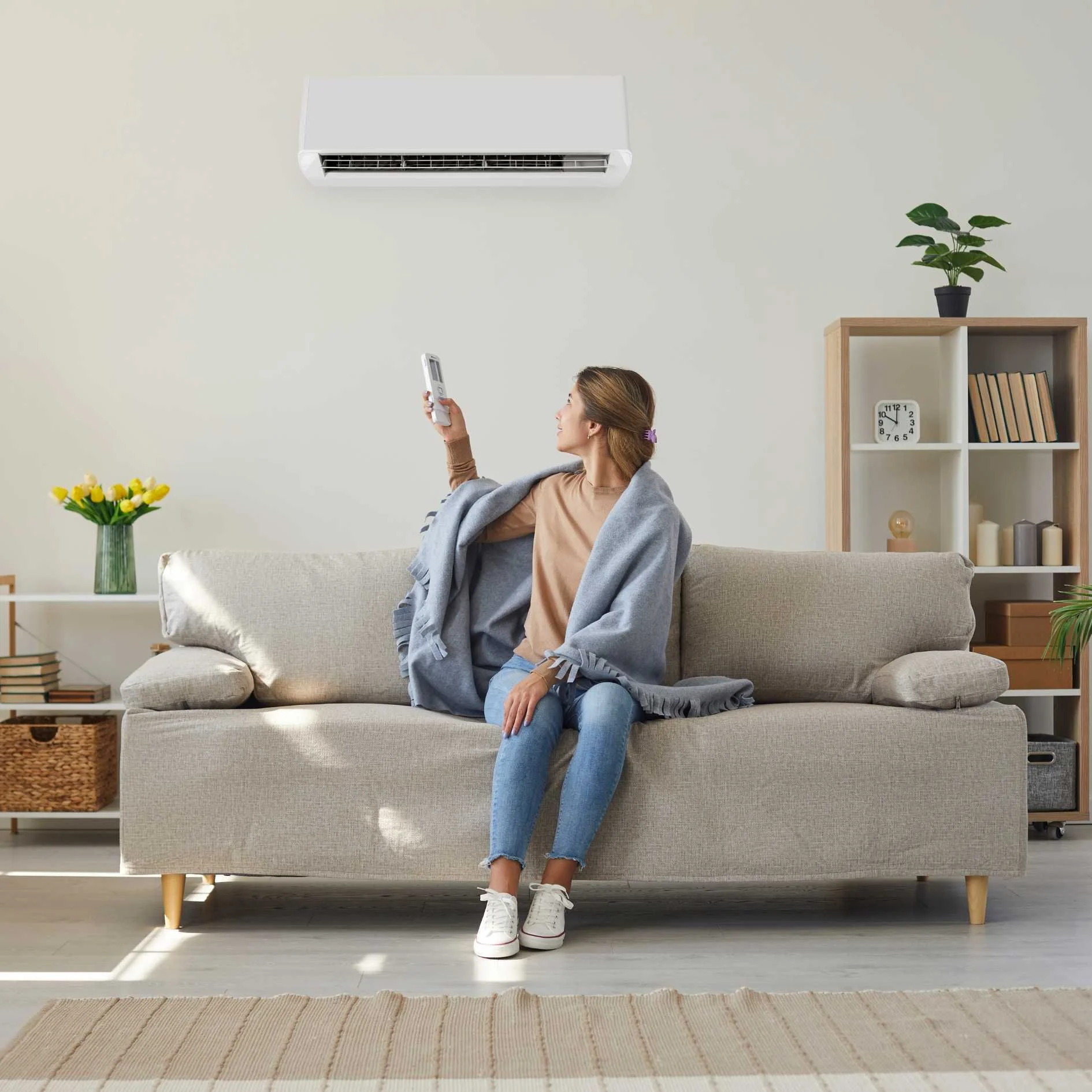
Keeping your HVAC system in top condition is a great way to save money on monthly energy bills, and to stave off the high costs of repairing or replacing the system.
1. Schedule Professional HVAC Preventative Maintenance
Consider scheduling two seasonal HVAC tune-ups each year, one in the spring for the air conditioning and one in the fall for the heating. During these maintenance checkups, our dedicated HVAC technicians will thoroughly service, inspect and troubleshoot the system to keep it working efficiently and prevent breakdowns. The HVAC tech will:
Check the thermostat calibration and settings
Tighten electrical connections as needed
Lubricate all moving parts
Inspect the condensate drain and clean as needed
Check the system controls
Clean and adjust the blower components
Clean the evaporator and condenser coils
Check the refrigerant charge
Check fuel line connections
Inspect the gas pressure, burner combustion and heat exchanger
2. Change the Filters
Filters remove dust, hair and other particles from the air so that these pollutants are not spread throughout the home. You can improve the air quality inside of your home and use less energy by changing the HVAC filter every 30 days. Clean filters let more air pass through, allowing the system to heat and cool more efficiently. For most systems, filters with a MERV rating between seven and 13 offer an excellent balance between filtration ability and maximum airflow.
3. Perform Visual Inspection of the HVAC System
Inspect the system monthly when changing the filter to uncover potential problems. Check out the thermostat, inside the unit, outside unit, registers and returns. In addition to that, you should check the following:
Check the battery status on the thermostat
Inspect the condensate system to ensure that it is draining properly
Ensure that the filter access and cabinet door are securely closed
Make sure the flue system is securely attached and fully intact
Ensure that all registers and returns are unblocked and open
Check all registers for signs of mold
Make sure the outdoor unit is level. Use rot proof shims to level it if necessary
4. Eliminate Clutter Around the Indoor HVAC Unit
Keeping the area around your indoor HVAC unit clear improves air quality and safety. The more stuff you have sitting around, the more surface area there is to collect dust that will eventually make its way into the vent system. Clutter also reduces air circulation in the immediate area, which is bad for system efficiency. Plus, clutter can become both a fire hazard and a trip hazard, and make it harder to perform repairs and maintenance.
5. Keep the Outside Unit Clean and Clear
The outside HVAC unit can easily become a collection point for fallen leaves, twigs, grass clippings and other debris. Remove all debris on and around the unit each time you do yard maintenance, and hose it down if dirt begins to accumulate. Keep nearby plants trimmed back at least two feet from all sides of the unit to help maintain proper airflow.
6. Regulate Your Home Temperature
Maintaining your HVAC includes operating it at temperatures that are comfortable and avoiding running it as much while you are away from home or sleeping. Consider installing a programmable thermostat to automatically adjust the temperature at different times of the day. If you allow the house to stay cooler in winter and warmer in summer while you are not home, the system will run less frequently, use less power and last longer.
7. Change the Batteries in Your Thermostat
Some thermostats are hardwired into the home electrical system. Others are battery-powered. Replace batteries at least once a year to prevent problems.
8. Maintain the Carbon Monoxide Detector
A carbon monoxide detector is an essential safety device in homes with combustion-based heating systems such as natural gas or fuel oil. In the event of an exhaust leak, impaired ventilation, excess gas flow or other malfunction, the alarm could save your life.
These devices have an average working life of about seven years. Test the carbon monoxide detector monthly to ensure it is in proper working order, and replace it if necessary. Plan on changing the batteries every six months.
9. Monitor Energy Bills
If you notice either a spike or a gradual increase in energy consumption when usage is unchanged, it could be a sign of an issue with your HVAC system. Schedule a service visit with your trusted heating and cooling company to have them check the system. Dirty filters, duct leaks, low refrigerant, failing parts or other issues could be the cause.
10. Consider Total Replacement
The average lifespan of an HVAC system is between 15 and 25 years. Several variables can increase or decrease that timeline, including the type of system, brand, and consistency of maintenance. By caring for your heating and cooling system diligently you will maximize its working life and maintain higher efficiency for a longer period of time.
Eventually, energy efficiency begins to dwindle and repairs come more frequently. When you notice that the old system isn’t as reliable as it used to be, don’t wait for it to finally crash on the hottest day, coldest night, or while you’re away on vacation. Plan ahead and replace your HVAC system on your own terms.
Frequently Asked Questions
Signs I need HVAC Maintenance
If your HVAC system shows any of these signs, it may be time to make an appointment for HVAC maintenance.
Short cycling: When an HVAC system short-cycles, it turns on and off but the room does not reach its set temperature.
Poor airflow: Low airflow could mean duct leakage or a problem with the fan.
Noise: Banging or a loud clacking sound may indicate an issue with the motor or the fan.
Odors: Musty smells or burning-rubber or chemical smells are serious enough that you should schedule HVAC maintenance right away.
Humidity: Air conditioners help cool the air by lowering humidity levels. If an air conditioner or furnace raise humidity levels, they need to be serviced.
What is Included with HVAC Maintenance?
HVAC maintenance is an overall assessment of the system, basic cleaning, and adjustments. HVAC maintenance includes:
Changing HVAC filters
Checking the thermostat and replace if needed
Clearing dust and debris from the working elements
Inspecting electrical elements
Ensure the condensate pump is working properly
Clean out the condensate pump reservoir
Flush the condensate line
Drains, coils, and burners are checked and cleaned
Inspect and repair visible HVAC ductwork
HVAC Maintenance VS Repair Costs
The cost of HVAC replacement far exceeds the cost of HVAC maintenance. So, regular HVAC maintenance by qualified professionals is worthwhile. You may want to consider replacing the system if it:
Breaks down at least once a year
Does not meet current efficiency standards
Costs as much to repair and maintain over three or four years as it does to replace the system
How often should I maintain my HVAC?
You should maintain your HVAC system once or twice a year depending on the type of system. For a heating-only HVAC system, maintain the system once a year in late summer or early fall, before the cool months set in. For a cooling-only HVAC system, maintain the system once a year in early spring before the warm spring and summer months begin. For combined systems, maintain your HVAC system twice a year.
What are the Benefits of Routine HVAC Maintenance?
When you practice annual AC maintenance, you can trust your air conditioner will be ready when you need it. Professional AC tune-ups provide a host of benefits, including:
Reduced risk of emergency repairs
Lower energy bills
Reduced risk of breakdowns
Fewer repair needs
Reduced risk of premature AC replacement
Extended system life span
Improved indoor air quality
More consistent and reliable performance
At Renovating KC, we provide top-quality HVAC maintenance. Our technicians are knowledgeable, friendly, and dedicated to ensuring your system runs at its best. We’re committed to serving our clients with the highest quality workmanship and customer service. Choose our team for all your heating and cooling service needs. When you need HVAC maintenance services in Kansas City, schedule service online with Renovating KC or call us at (913) 717-7144 today!


Keeping your HVAC system in top condition is a great way to save money on monthly energy bills, and to stave off the high costs of repairing or replacing the system.